Fire and Smoke Damage Restoration in Middleton, ID
Emergency board-up, soot and smoke residue removal, contents pack-out, odor treatment, and structural drying for the water the hoses left behind.
- 24/7 emergency response
- IICRC certified · RCE-67387
- Locally owned · 10 years
A person answers 24 hours a day
Dispatching to Middleton within about 90 minutes.
Call Now: (208) 391-5248Arrival windows are estimates from our South Nampa dispatch, not guarantees. Call and we’ll give you a real time for your address.
What the work involves
The actual scope, in the order it matters. If a step is missing from someone’s bid, ask them why.
- Emergency board-up, roof tarping, and temporary weather protection so the building is secure the same night.
- Extraction and structural drying. Firefighting water and sprinkler discharge is still a water loss, and it grows mold on the same schedule.
- Soot and smoke residue removal matched to the residue type: dry soot, protein residue from a kitchen fire, and oily plastics or puffback residue each clean differently.
- Contents inventory with numbered photos, pack-out, off-site cleaning of salvageable items, and pack-back when the structure is ready.
- Odor treatment: source removal, HEPA air filtration, hydroxyl or ozone treatment, and sealing of framing where residue cannot be fully removed.
- HVAC and duct cleaning so the system stops redistributing smoke through rooms the fire never reached.
Two boundaries worth knowing before you call. We do not replace roofs: if the fire opened the deck, we tarp it and a roofing contractor puts it back. And we do not sell or install HVAC equipment, so when soot has loaded a coil or a blower past cleaning, we say so and an HVAC contractor prices the replacement. Neither of those is a line we make money on, which is why we will tell you plainly when you need one.
How the job runs
The same sequence on every loss. Knowing what happens next is most of what makes the first day survivable.
Secure the structure
Board-up, tarping, and a walk of the building before anything is cleaned. Fire leaves openings, missing stair treads, and compromised framing. Nothing starts until the building is safe to enter and the weather is kept out.
Water first
Firefighting water and sprinkler discharge get extracted and dried immediately. Soot damage progresses over days. Mold does not wait that long, and a fire loss that also becomes a mold loss is a much worse claim.
Residue assessment
Soot type sets the cleaning method. Dry smoke from a fast, hot fire lifts with dry sponges. Protein residue from a kitchen fire is greasy, nearly invisible, and needs solvent. Plastics and furnace puffback leave an acidic film that etches metal, glass, and finishes if it sits.
Cleaning and controlled demolition
Salvageable surfaces get cleaned in place. Materials that absorbed residue past the point of cleaning come out: insulation, some drywall, carpet and pad. Contents that clean better off site get inventoried and packed out.
Odor
Odor removal is sequential, not a single treatment. Remove the source material, HEPA filter the air, treat the space with hydroxyl or ozone, then seal remaining framing where the smell is embedded. Skipping straight to the treatment is why fire smells come back in the first hot week.
Rebuild and claim documentation
Drywall, paint, flooring, and trim go back once the structure is dry, clean, and odor-free. Every step is photographed and priced in Xactimate so the estimate your adjuster sees matches the work that was actually done.
A person answers 24 hours a day.
What fire really does to a house
The flames are one loss. The smoke going up and the water coming down are the other two, and they reach rooms the fire never touched.
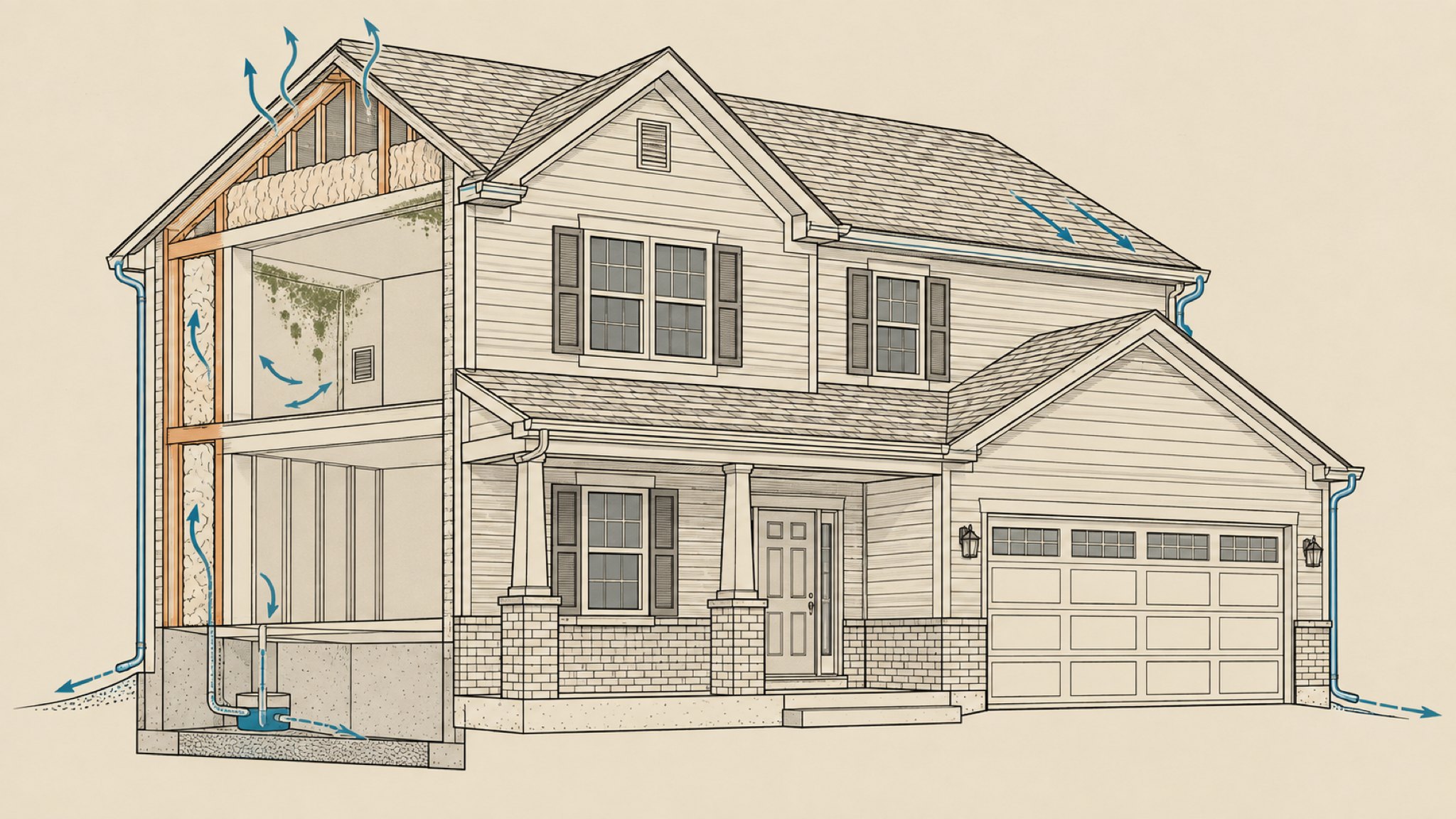
01
Where it started
Every fire has an origin, and the damage patterns radiate from it, investigators read a room the way we read a moisture map. This one started at the range. What happens in the next ten minutes decides very little about the fire damage; the smoke and the water are about to do most of the harm.
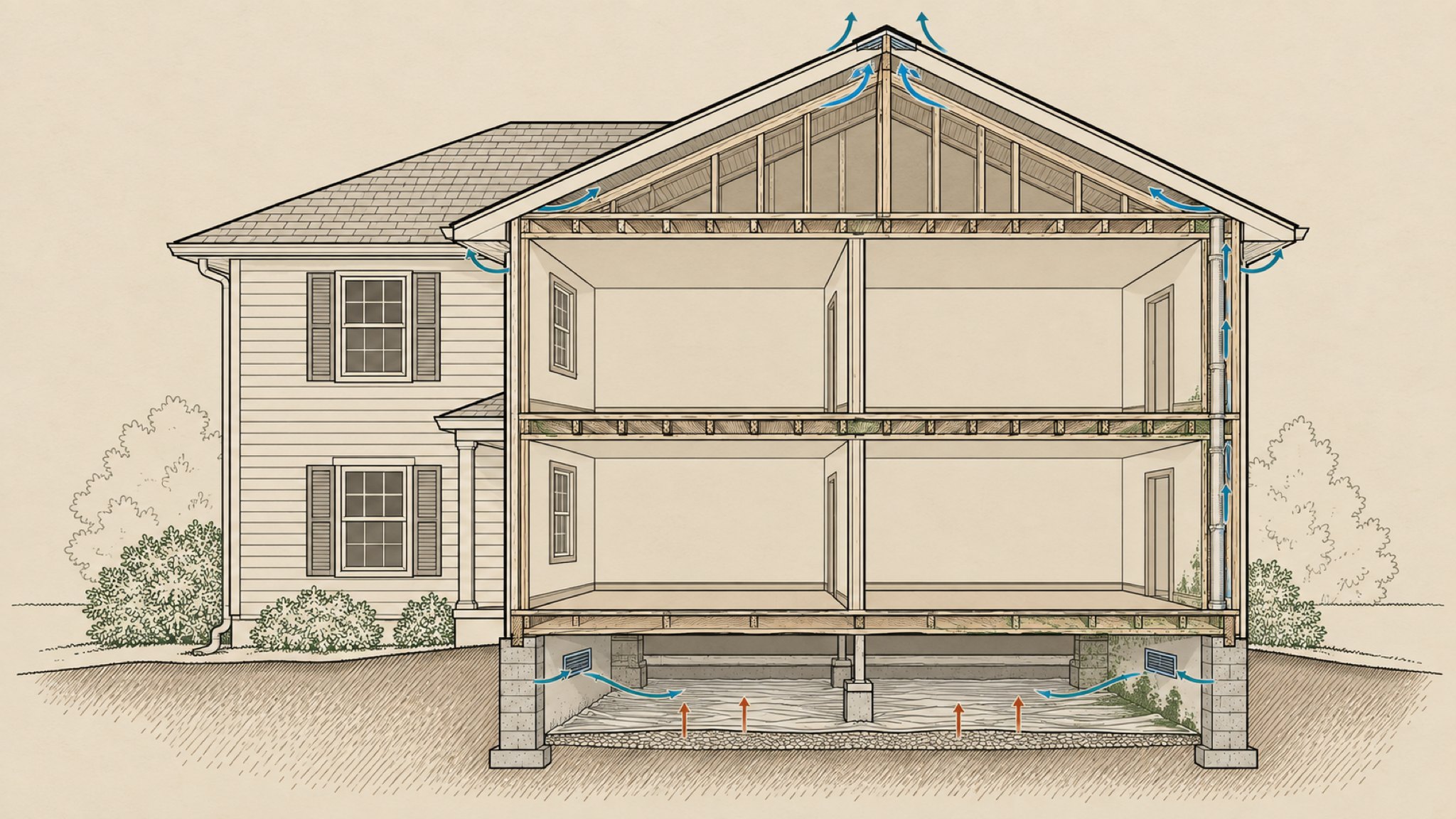
02
Smoke goes up
Heat drives smoke up through every opening the house has, stair wells, wall cavities, duct chases, the gap around every pipe. Soot loads from the ceiling down, which is why bedrooms two floors from the flame end up coated. Rooms the fire never touched still need cleaning; that is normal, not an upsell.
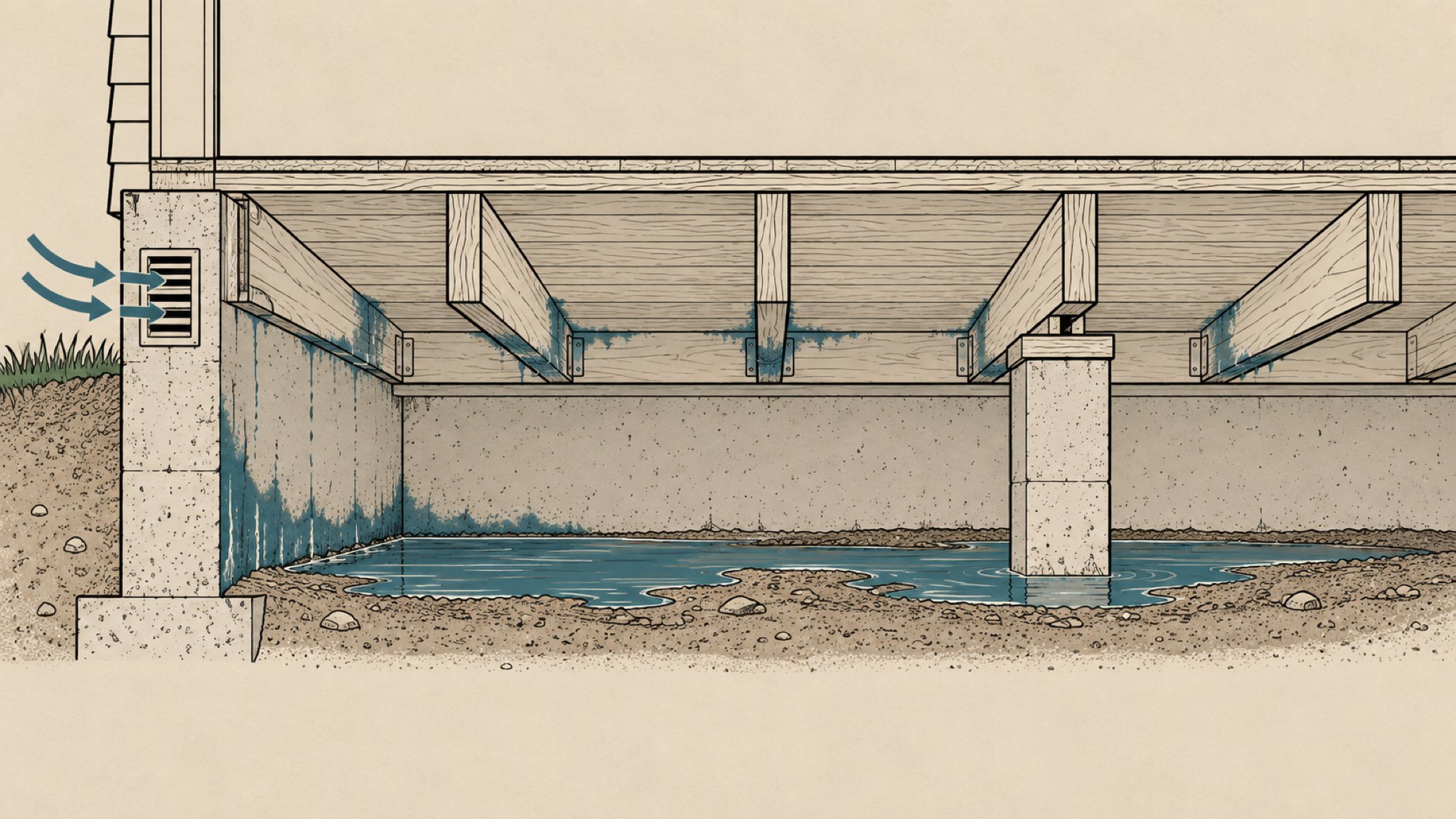
03
The water goes down
Everything used to put the fire out obeys the same physics as a burst pipe: down through the subfloor, into the joist bays, into the crawl. A fire loss is almost always a water loss too, and the water is on a deadline the char is not, wet materials start growing mold in days. Both get handled from day one, together.
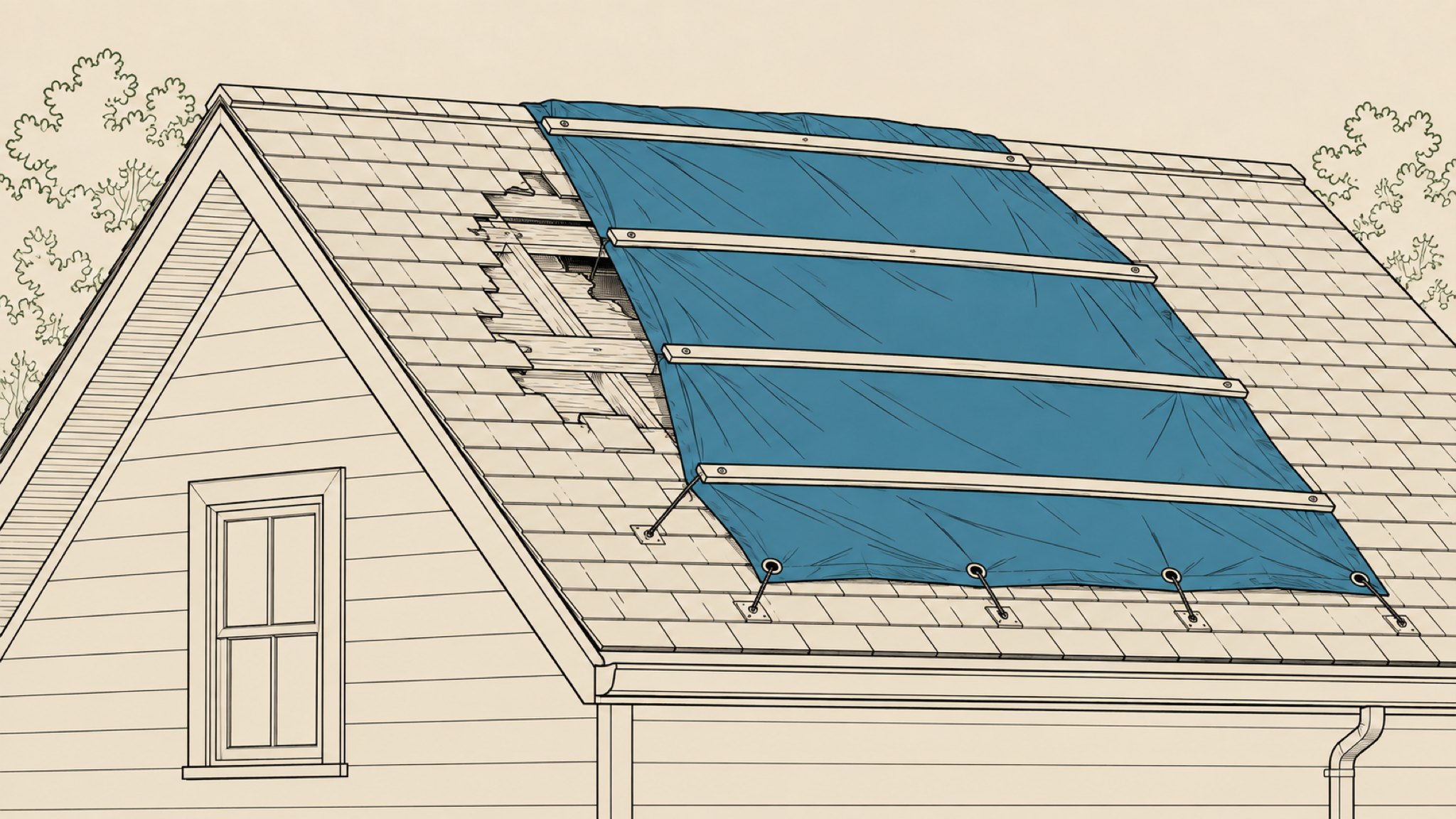
04
Board-up and tarping
Openings get boarded and the roof gets tarped the same day. Partly for weather and security, but also because your policy requires reasonable steps to prevent further damage. Board-up is not busywork; it is the first thing an adjuster looks for, and we photograph and document all of it.
05
Soot removal, in order
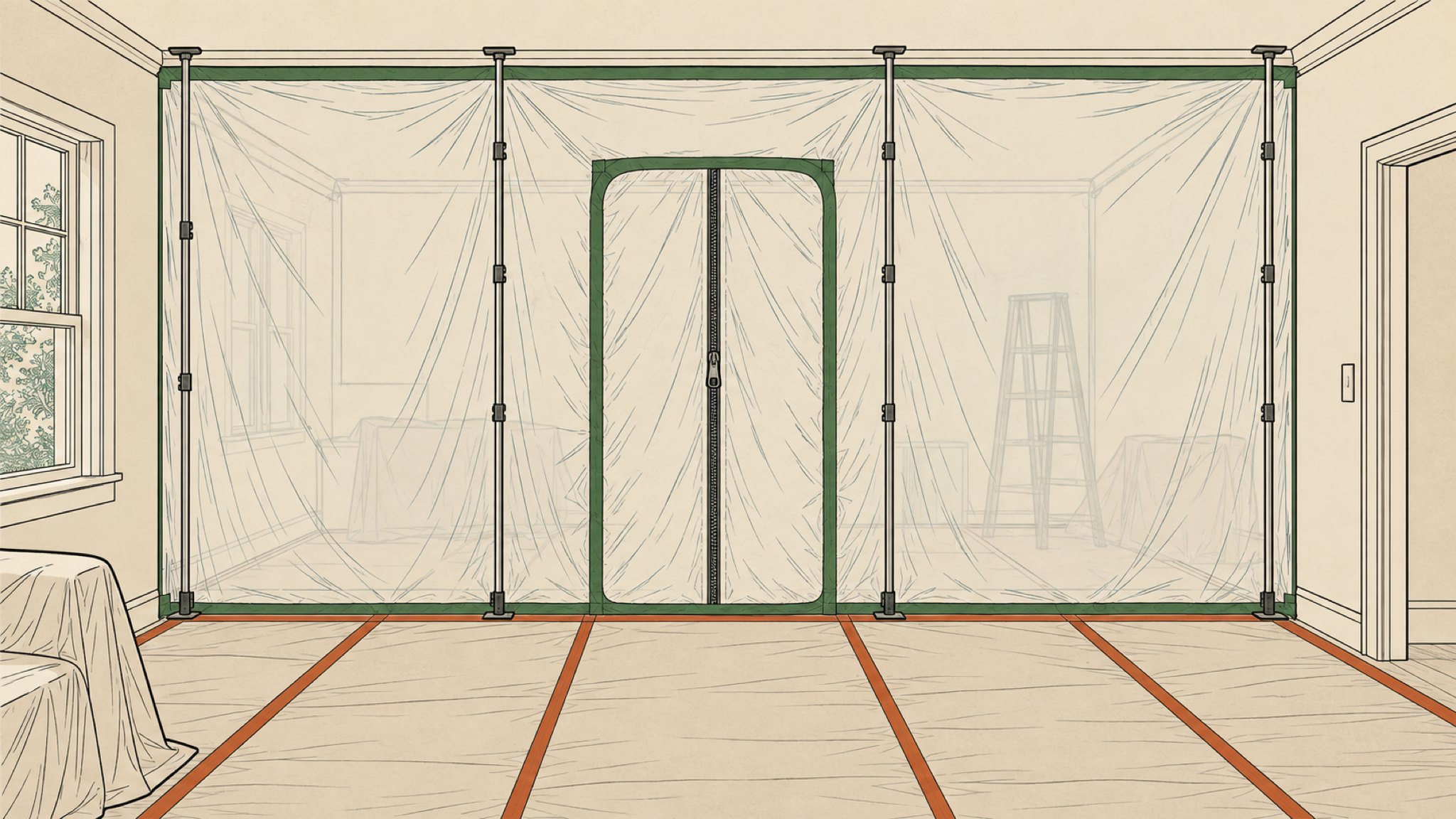
Soot is not dirt. Wiped with a wet rag, it smears and sets into the finish permanently. The sequence is dry cleaning first, chemical sponge, HEPA vacuum, then wet methods only on the surfaces that can take them. The difference between cleaned and ruined is technique, which is why this is certified work.
06
Odor and thermal fog
Smoke odor lives wherever the smoke went, in cavities, above ceilings, inside the ducts. Covering it with fragrance lasts a week. Thermal fog reaches it because the fog behaves like the smoke did, following the same paths into the same pockets and neutralizing the residue where it sits.
07
Rebuilt to pre-loss
Char out, structure cleaned and sealed, wet assemblies dried to documented readings, then the rebuild, one contractor, one claim file, start to finish. The house in this last frame is the same drawing as the first one. That is the entire job description.


Your job page
Every job gets a private page you can open from your phone. What we found, what’s running, and what happens next, updated as we work rather than when you call to ask. Documented while it happens, not after.
1,300+ moisture readings documented this year, across 38,000+ square feet of structural drying.
- Job page
- Your private link: status in plain language, photos, documents, and the next step on the schedule.
- Readings
- Wood, drywall and subfloor metered at the same marked points every day, with temperature, relative humidity and grains per pound logged beside each one. Day one to demobilization, on a sheet you can read.
- Photos
- Numbered and dated, tied to the job record, the same set your adjuster gets.
- Paper trail
- A written scope and estimate in the format adjusters and property managers expect, handed over with the complete file.
When to call us
If one of these is your situation, the clock matters more than the diagnosis. Call first; we’ll sort out the rest on the phone.
- The fire department has cleared the building and you are standing outside it.
- A grease or kitchen fire was out in minutes but the smell is now through the whole house.
- The furnace puffed back and coated the house in oily black soot.
- There is soot and also standing water from hoses or an activated sprinkler head.
- Your carrier has assigned an adjuster and you want your own documented scope before the number is set.
Not sure which one you have? Call and describe it.
What we see in Middleton
Field notes on Middleton: the housing stock, where the water comes from, and what that means for this work.
Middleton is the oldest settlement in Canyon County and the housing mix still shows it: turn-of-the-century farmhouses and 1960s ranches on acreage sitting directly next to subdivisions platted in the last two years.
The town is built along the Boise River and split down the middle by Highway 44. River-adjacent parcels sit over a shallow water table, so through irrigation season the dirt under those crawlspaces never really dries out.
Purple Sage and the acreage north of town are on wells and septic with ditch irrigation rights. Freeze breaks in unheated well houses and pump sheds are a routine January call out there, and they run until somebody notices the pressure is gone.
On the older farmhouses the crawlspace is bare dirt with no vapor barrier at all. We show up for a plumbing leak and find the larger problem is decades of ground moisture on the joists and subfloor.
Working across:Downtown Middleton, Purple Sage, West Highland, Sawtooth Lakes, Country Sage Ranches
Questions we get
Straight answers, including the ones that occasionally talk someone out of hiring us.
The fire was small. Do I really need a restoration company?
Size of the fire and size of the smoke loss are different problems. A stovetop fire that burned for two minutes can push protein residue and odor into every room through the HVAC return. If the smell is in rooms the flames never reached, the contamination is in rooms the flames never reached.
How fast does soot need to be cleaned?
Soot is acidic. On metal, marble, grout, and finished surfaces it begins etching within days, and the longer it sits the more of the damage crosses from cleanable to permanent. That is the single strongest argument for calling before the claim is fully settled rather than after.
Can the smoke smell actually be removed, or do I have to replace everything?
Most of it can be removed, but only in order: take out the material holding the odor, filter the air, treat the space, then seal what is left. Soft goods and porous items are the usual losses. Framing, subfloor, and hard surfaces almost always stay.
What happens to my belongings?
Items that clean better off site get photographed, inventoried room by room, packed, and cleaned at our facility, then stored until the structure is ready. You get the inventory list, and you approve anything we recommend as non-salvageable before it is disposed of.
Will insurance cover fire damage restoration?
Fire and smoke are covered perils on essentially every homeowner and commercial property policy, and most policies also cover the water used to extinguish the fire. Your policy has an emergency mitigation provision that expects you to secure the building right away. Board-up and tarping are almost never a coverage fight.